Multicultural TV – Constructed, Told, Spoken: A Counter-History of Britain on TV, at the BFI
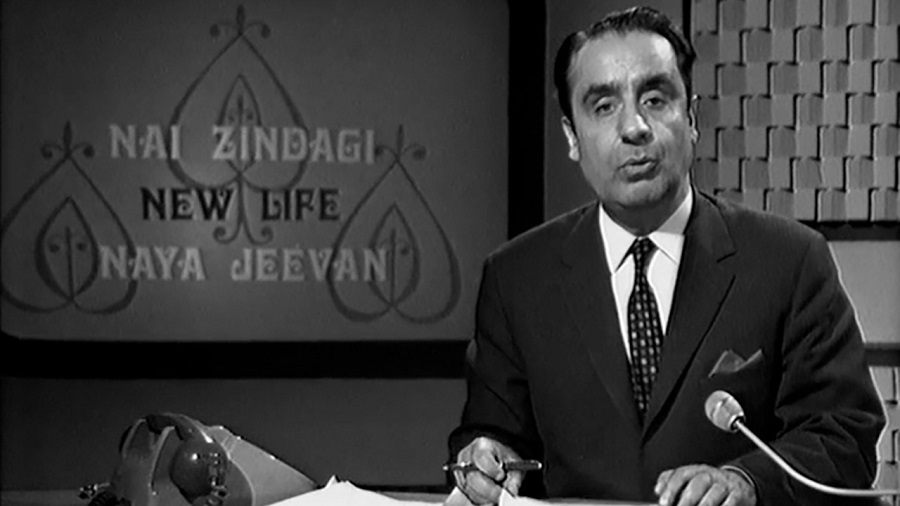
Earliest and iconic British South Asian language programmes (‘Nai Zindagi Naya Jeevan’) and how a ‘black’ political consciousness through these programmes (‘Black on Black’) began to emerge…
FOR THE FIRST time people interested in the representation of people of colour on British TV screens will get the chance to look back at factual programming from 1960s onwards and assess their legacy.
The British Film Institute (BFI) on the Southbank, London, has curated a near two-month long season of events and screenings in Constructed, Told, Spoken: A Counter History of Britain on TV. There are some 18 screenings and discussions across this month and next.
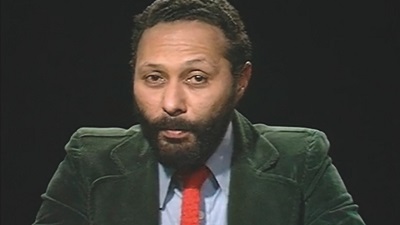
Tonight (February 2), Farrukh Dhondy, the pioneering and first ever commissioning editor for a mainstream broadcast channel (Channel 4) in the UK, will discuss impact and legacy with broadcaster and iconic presenter Shyama Perera in a panel discussion, Black on Black. This was a TV programme that aired on Channel 4 from the 1980s with a magazine type format that focused on British African-Caribbean communities.
The phrase: ‘Constructed, Told, Spoken’ comes from black British Jamaican academic Stuart Hall (1932-2014) who coined it.
A sociologist, who was hugely influential in the nascent area of Cultural Studies from the late 1960s onwards – he asserted that identity is not a given – it is something that forms around a narrative, story and a history that is constructed, told, spoken and then disseminated.
For the most part, ethnic communities were invisible in most public spaces in the UK and initially the BBC devised programming that would assist integration (or assimilation) and other broadcasters accepted they needed to serve these communities and so the era of ‘multicultural TV’ programming units were initially born.
Today’s ethnic minorities are more likely to first come across themselves in social media – TV is not the media platform through which modern identity in Britain is constructed, pointed out season curator Xavier Alexandre Pillai, who worked in the BFI Archive Department, before moving to programming.
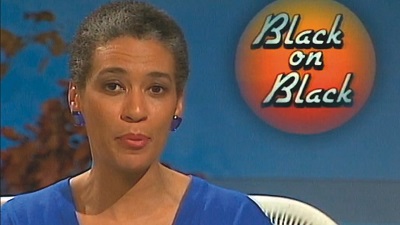
“We wanted to look at unexplored and underexplored TV histories and across channels.
“This the only season we have done like this and it came out of digitising the archive – especially Channel 4,” explained Pillai to www.asianculturevulture.com. “We are spotlighting something that hasn’t been done before.”
What struck him as someone who wasn’t watching these programmes (at the time), is the way programme makers approached ‘multicultural TV’ and how identity has been shaped by it and how a political consciousness appears to have developed from it. This is most apparent in the London Weekend Television programme ‘Skin’, Pillai suggested. It was made by London Weekend Television, a branch of ITV in practice.
“It looks through a lens of community solidarity (bringing Asian and Black communities together).”
Next month – see listings below, Pillai will host four near 30-minute episodes of ‘Skin’ from 1981 – these are titled, ‘Attack on Asians and West Indians‘; ‘The Deptford Fire‘; ‘After the Deptford Fire: A Watershed in British Relations‘; and ‘Immigrants and the National Health‘.
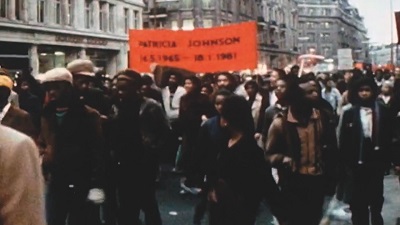
In the BFI listing, it says: “’Skin’ was a pioneer in multicultural non-fiction programming, which covered Black Britain across areas as diverse as education, state malfeasance, resistance to far-right groups and immigration.”
Pillai has also worked closely with The Stuart Hall Foundation and the season starts in the same month as Hall’s passing.
“The history of multicultural TV is so diverse and separate that we are putting this together (in a season) and looking at it in its most comprehensive form,” he added.
“It has an enduring relevance, it sort of holds a mirror to those times and it was very forward-looking.”
Tomorrow (February 3) – Sarita Malik, professor of media and culture at Brunel University of London, will introduce Assimilationist TV. Screenings will include ‘Monitor’; ‘Nai Zindagi Naya Jeevan’ (‘New Life’); Apna ‘Hi Ghar Samajhiye’ (‘Make Yourself at Home’). These will be screened with English subtitles.
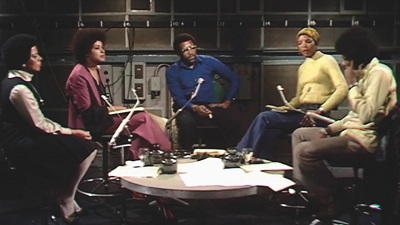
Early multicultural TV was slanted towards South Asian communities because they spoke languages other than English.
Pillai said: “The earliest shows were about integration and integrating Asian communities, less so with Black Caribbean communities because they already spoke English.”
He said multicultural TV started to change in the 1970s and 1980s, especially with the birth of Channel 4 which started in 1982 and had a duty to provide programming aimed at ethnic communities.
“We move from this idea of assimilation to more open access and community TV – and it’s an important moment when TV was opened out to (all) and more diverse communities as journalists and programme makers started to work in TV.”
He indicated that it had been difficult to identify some, as they had little or no online presence, and he encouraged anyone involved in programmes at the time to come forward. One of the aims the season is to bring these people who worked on these programmes back together.
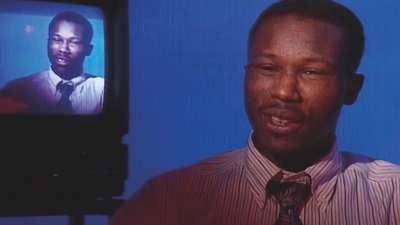
Next Wednesday (February 11), Multicultural TV on Channel will screen two of its earliest and biggest shows – ‘Eastern Eye’ and ‘Black on Black’.
There is also a look at European minorities with Multi-Cultural TV in Europe and a slew of programmes made in what the BFI terms a legacy in ‘post-racial Britain’.
All pictures: Courtesy of the BFI except where indicated…
Selected listings
Constructed, Told, Spoken Season Introduction (today) Monday, February 2 6.10pm NFT2
Assimilationist TV – Tuesday, February 3 – 6.20pm NFT 3
Multicultural TV in Europe – Friday, March 13 6pm NFT3
A Focus on Skin – Monday, March 16 6pm NFT3
All – The BFI Southbank, Belvedere Road, Southbank SE1 8XT
For the full programme see info/tickets – here