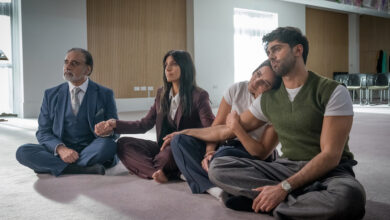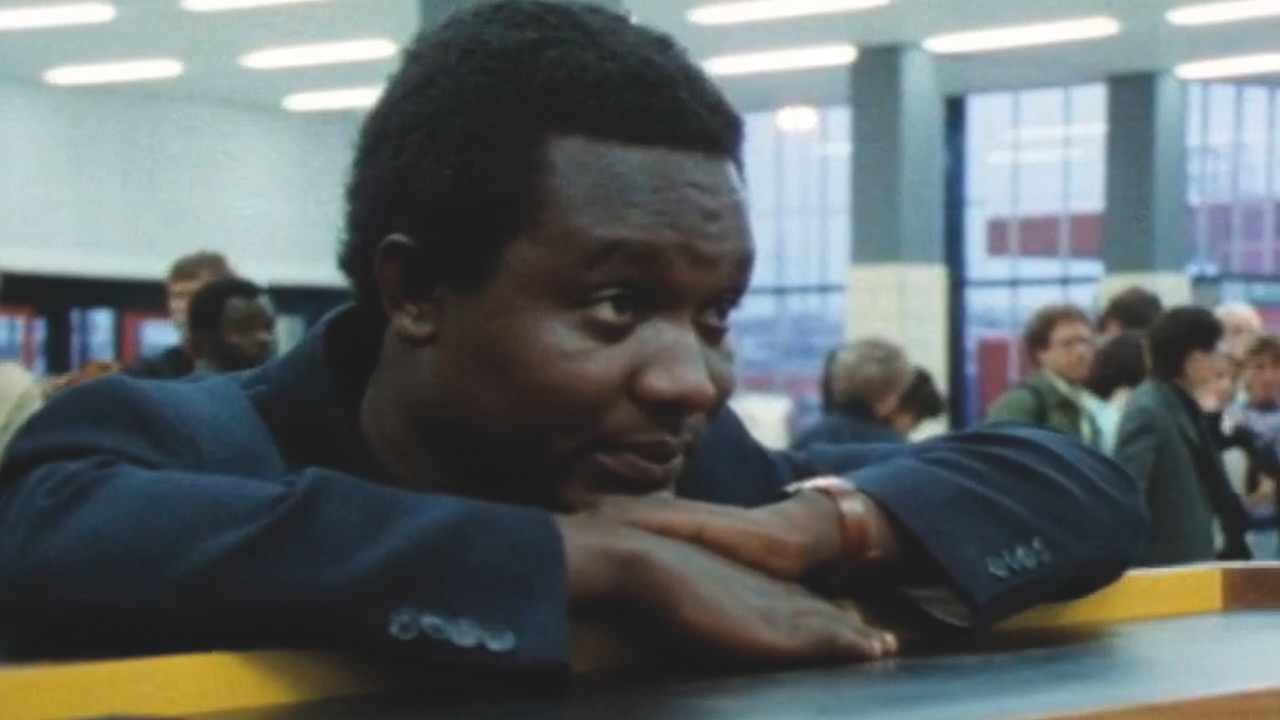
Multicultural TV – Constructed, Told, Spoken season at the BFI, personal reflections…
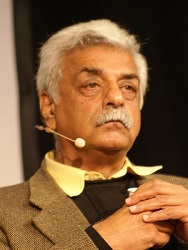
📺 The Bandung File Series (1985-91) lookback with programme maker and renowned commentator Tariq Ali tomorrow (See listings below)
📺 What looking back TV programmes at ‘Naya Zindagi Naya Jeevan’ (BBC1), ‘Eastern Eye’, ‘Open Door’ (‘Black Teachers’ 1973) – showed me now …
📺 Screenings continue until March 17 (selected listings below)…
By Suman Bhuchar
THIS is the BFI season which has been exploring the identity crafted by the Afro-Caribbean and South Asian Britons, “using television as a medium to advocate for their political and social representation,” so says the curator, Xavier Alexandre Pillai in the introduction to Constructed, Told, Spoken Season.
The February selections traced an evolution of “multicultural programming as undertaken by the three main terrestrial channels, BBC, ITV and Channel 4”, while the March selection focusses more on the overtly political content, covering global stories, exploring the different priorities that emerge from communities such as creating a distinctly Asian sound, or people wanting to re-settle back into their countries of origin.
In my case, revisiting the strands I used to watch when there were only three channels that made ‘multicultural programmes’ was partly a nostalgia thing, partly a curiosity to see whether these formats stood the test of time. What emerges overall is how brave and ballsy the producers were in “telling it like it is”, (I’m sure television lawyers went through everything with a tooth comb) but the programmes were very nuanced, balanced and candid.
Today television programming has got a diversity and inclusion remit, as part of its overall offer in terms of on and off screen portrayal and staffing – however sometimes you do wish for niche programming as it would allow for more air time to explore a topic.
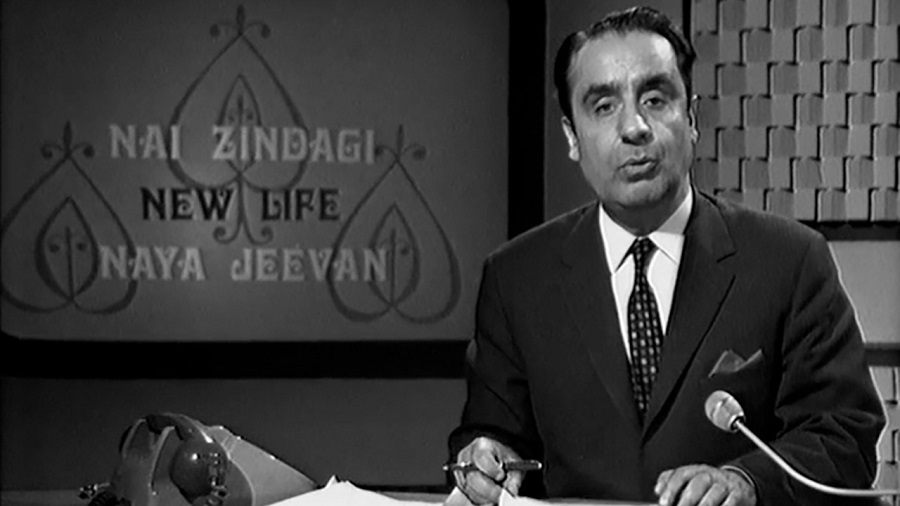
You also notice for instance South Asian languages were accepted with ease. Programmes like ‘Naya Zindagi Naya Jeevan’ were full on in Urdu /Hindi while in an episode of Eastern Eye, the Channel 4 magazine programme, one if its presenters, Aziz Kurtha uses a few words many would have heard at home.
However, when people did speak English, their accent was very British (not like today where you hear a variety of sounds).
In terms of the issues that people were grappling with – you wonder what has changed – for instance – Open Door – this was a strand where you were allowed you to have “your own say in your own words”. One programme entitled ‘Black Teachers’ (1973) highlighted concerns about black children doing less well in schools due to racial discrimination, segregation and poverty – something that is sadly, still true today.
Watching ‘Southall on Trial’ (1979) was also an eye opener as recently people have been getting that information from the Channel 4’s award-winning series, ‘Defiance: Fighting the Far Right’ (2024), but to see Suresh Grover and his colleague (who doesn’t seem to be named), campaigning to defend the 342 young people who were charged after the protest of April 23 1979, made you feel quite angry.
Another observation was seeing how people used to smoke on television and even use strong language.
Black and Brown programmes were separate entities and had a magazine format, so it dealt with hard topics, like dodgy investing, or seeking sanctuary in a Hindu temple, to arts pieces like a focus on photographer Vanley Burke or an interview with Reggae idol, Janet Kay; focussing on Asian pirate radio stations or the Asian family in iconic BBC soap, ‘Eastenders’. There was also a top ten of Bollywood films and a competition and – would you believe you had to write and post a letter to the studio!
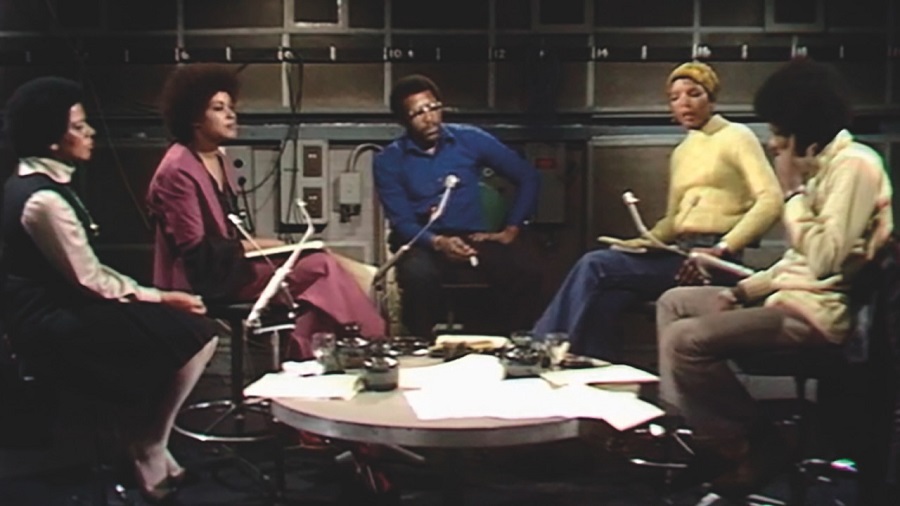
People may find it hard to accept now as there is a plethora of channels, social media, streaming outlets and you YouTube Channels but not so long ago, everyone waited for a programme that either represented them or shed light on stories which you didn’t see in the wider news coverage.
Overall, the season gives a snapshot of the way we were. Aside from the stories highlighted – which provides a type of narrative strand – you also get an insight into the sartorial styles, the hair styles and just a general portrait of a community in the UK. That is really fun to see.
You can catch the rest of the season at BFI Southbank until mid-March.
All pictures: Courtesy & ©BFI
Previously (introduction to series, interview with BFI lead curator Pillai)
Selected Listings
In what will be one of the series highlights of this multicultural season of TV programmes screening at the BFI will be tomorrow’s ‘A Focus on the Bandung File’ with an extended intro from Tariq Ali, who presented many episodes and a discussion with programmer Matthew Barrington
A Focus on the Bandung File Monday March 2, 7.10pm NFT 3 – sold out but check for returns
Multiculturalism Goes Mainstream Wednesday, March 4, 8.30pm
On the Margins – Monday, March 9, 9pm NFT3
Reconnecting The Diaspora Wednesday March 11, 8.30pm NFT 3
Multicultural TV in Europe – Friday March 13, 6pm NFT 3
From New Cross to Non-Alignment ‘A Focus on Skin’. Monday, March 16, 6pm NFT3
Birthrights: Focus on New Talent Legacy in ‘Post Racial Britain’ Tuesday, March 17, 6.15pm NFT 3
For full programme click here