
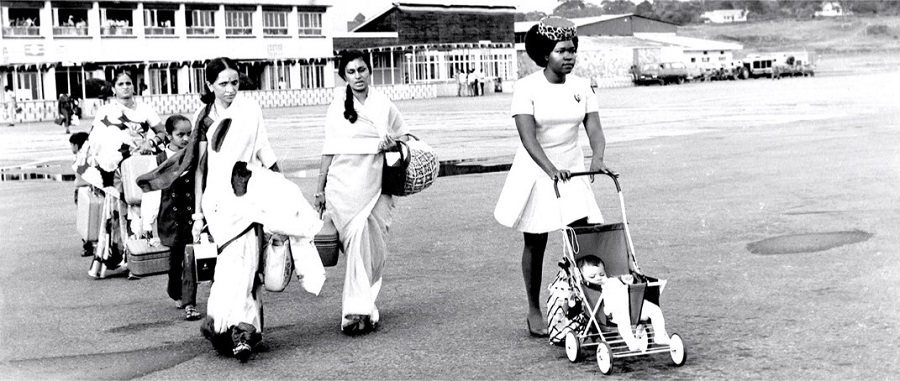
Who am I? Identity, belonging and creativity from the East African South Asian Diaspora
Sharing stories, culture, heritage and food through performance, archive and oral histories
By Suman Bhuchar

JUST like ‘to be or not to be?’ – ‘who am I?’ or ‘where do I belong?’- are burning questions which most humans wrestle with constantly, more so, if you happen to be a migrant or a member of a minority community living in the UK.
‘Who am I?’ is also a project title of a National Lottery Heritage project which has been looking at the experiences of first and second generation East African Asians who went from India to East Africa and then migrated to the UK.
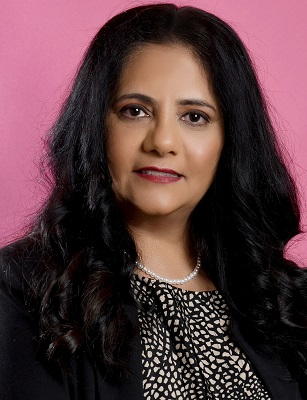
This project is the brain child of Lata Desai, a community producer and director of Subrang Arts, who along with Mukul and Ghetto Tigers theatre company, film producer and ethnomusicologist Rolf Killius, and script writer and director, Tarun Jasani, all set out to explore: how children of twice migrants cope with life in the UK.
The East African Asian diaspora includes generations of families who left their homes in India, sailed off to East Africa to either work on the railways, or as shopkeepers, teachers – until they were forcibly chucked out by governments which adopted nationalistic policies – in East Africa or those families had to leave voluntarily due to fear and insecurity in the region.
Desai, herself came to the UK from Kenya to be a researcher and study biomedical sciences and only recently retired from the Royal Marsden Hospital (London).
She was born in Nairobi but went to and fro between India, travelling by steamship before finally settling in the UK.
“It’s my personal story and exploring it has been a labour of love.”
Her initial interest began with her involvement in arts and culture and then exploring the movement and dynamism of the Gujarati diaspora with earlier projects, ‘Gujarati Yatra‘ and ‘British Ugandan Asians at 50‘.
What emerges overall, is how enterprising the South Asian community was when it came to migration to East Africa.
Individuals and families travelled and endured much suffering and worked as labourers or set up small dukas (independent grocery or general stores) and learnt to communicate in English or Swahili as needed.
Later, many were forcibly expelled from Idi Amin’s Uganda, and those from Kenya bore the brunt of the country’s nationalistic policies and ended up fleeing to Britain.
Many were also thwarted by the Commonwealth Immigration Act 1968 that restricted entry to those Asians who didn’t have a direct link to the UK.
Others in Tanzania, left because they felt insecure and worried about what was happening to fellow South Asians in the neighbouring countries.
Much has also been made of the lack of integration between the Africans and Indians but no one has seriously been able to get to the nub of that issue – many are quick to hold Asians responsible for this divide.
However, not a lot of people are aware – but many Asians were involved in the struggle for Independence of these nations.
Ordinary citizens who left India post-independence, felt solidarity and gave support to fellow Africans who were engaged in similar freedom struggles in Africa.
My mother often recited the story of how our dad went to cheer the political activist, Jomo Kenyatta being released from jail in 1961 and in the process his pants got caught in some wire mesh fence and thus were torn. (That’s her version of big political events!)
Later, Kenyatta became the first prime minister of an independent Kenya.
Other prominent South Asians included the Karimjee family in Tanzania where one member, Abdulkarim YA Karimjee, presided over the Tanganyika Independence Ceremony and served as a Speaker in the Legislative Council from 1956 – 1962.
See here – https://www.karimjee.com/our-world/our-history
There is also the business and philanthropic family of the Chandarias in Kenya and only recently when Zohran Kwame Mamdani was elected as Mayor of New York – people alluded to his father Mahmood Mamdani’s roots in Uganda.
Identity politics is complicated and sometimes self-defined – those South Asians who come from the East African Diaspora do find themselves being pulled into an identity which reflects all their heritages and experiences but then are often considered – not being “Indian” enough.
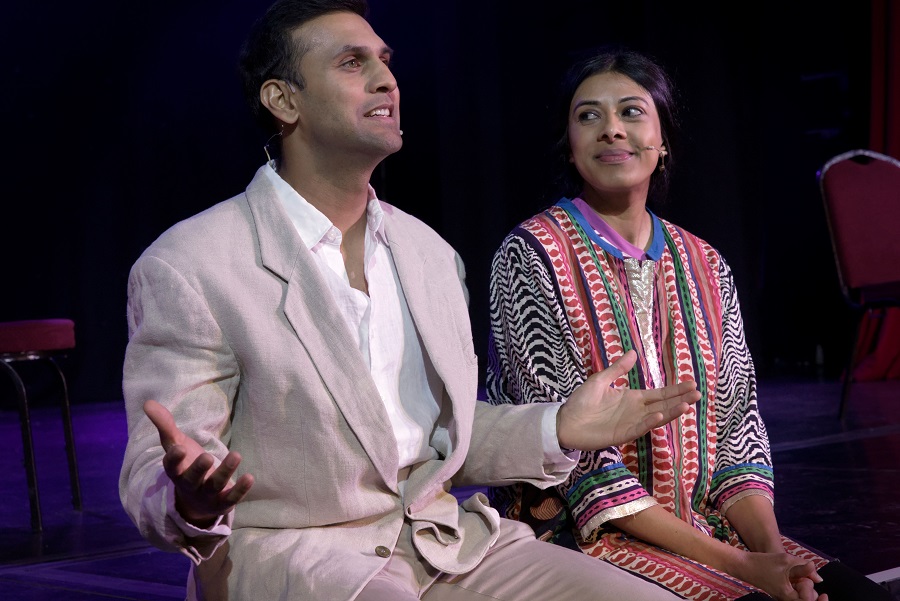
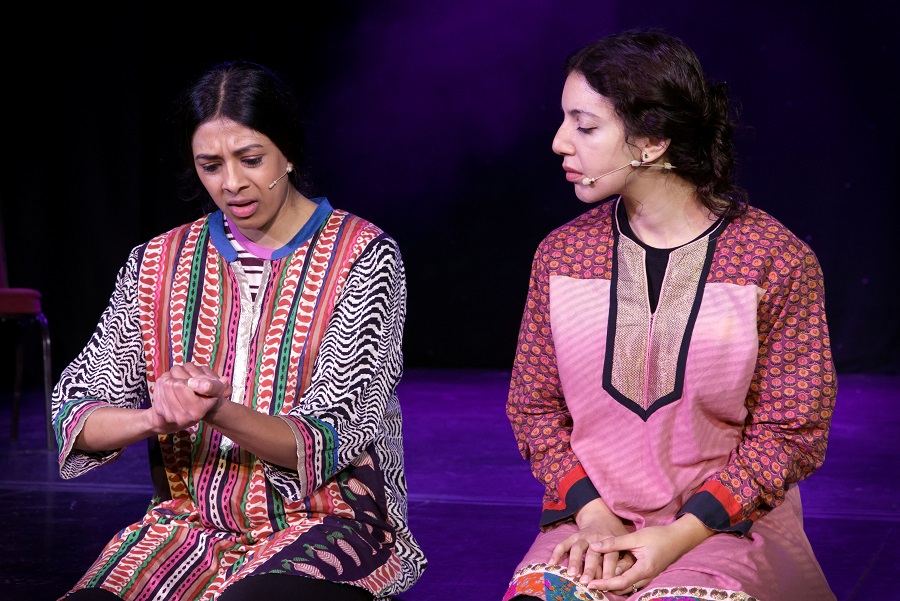
‘The Who Am I?‘ Project interviewed 13 people and this primary material was crafted into a 40-minute play written by Tarun Jasani. (This play is now available as an audio resource and the filmed interviews of participants are available online).
Some of the interviewees include Vipul Bhatti, a South London resident with a diverse background in financial journalism, digital storytelling, and user research. He explores his Gujarati ancestry, community connections, and the impact of colonialism on his identity.
Meera Dattani, a travel journalist and editor, discusses her family’s migration from East Africa to the UK following Idi Amin’s decree in 1972.
Dattani identifies as British Indian and feels at home in Britain, Uganda, and India. She emphasises the importance of understanding colonial history to foster better societal understanding and a pride in multiculturalism.
Ali Fazel, born in Kenya and now living in London, recounts his “idyllic childhood” in Mombasa, marked by outdoor activities and a diverse school environment at the Aga Khan Academy. Ali’s ancestors, including his great-grandfather Rashid Molidina, were successful coffee and tea traders in Africa.
A lot of themes emerge from these perspectives and www.asianculturevulture.com would encourage people to view the website.
The most common theme – is the deep love of growing up in East Africa and the lack of colonial history being taught in British schools and how this ignorance often leads to racism.
Projects such as ‘Who Am I?‘ are a vital resource, as they contribute to the social and migrant history of the UK and add to a bank of material in this field and further aid literary or artistic endeavours.
The final aspect of this project will be led by director Tarun Jasani who is looking to recruit young East African Diaspora heritage people from the ages of 16 to 25 to take part in a film where he will film them for a day to observe, how they juggle two cultures of home and the world. And to question, how do these younger people successfully integrate into Britain?
The 13 interviews are intended to be deposited for posterity and future research at the University of East London.
On Friday (November 14), there was a screening and panel discussion about the project.
Overall what emerges is that the East African Asians are a hardy lot with a positive and optimistic approach to life – and who have changed the landscapes they inhabited for the better.
Main picture: Courtesy of BUA50 (British Ugandan Asians at 50) website – see link below
More Information links & resources
Who Am I? From Exodus to Today’s Britain – current interviews of 13 South Asians with heritage in East Africa is available on the link below.
https://www.youtube.com/playlist?list=PLdtvqkOQ1bhGdZF_G63kniiNk2aBOKb_9
More information about the project is available on the link below
https://www.whoamiproject.co.uk/
Earlier Projects on the Gujarati Diaspora
British Ugandan Asians at 50. Desai was the lead curator with Warwick Hawkins MBE for a national exhibition which toured all over the country during the 50th Anniversary of the Ugandan Exodus in 2023/24.
In this project too, there were many oral history interviews. Look in the Media gallery of this website.
She initiated the Gujarati Yatra – Journey of a People project at Croydon Museum
https://www.subrangarts.co.uk/GujratiYatra/oralhistory.aspx
Then followed the Roots and Changes – Gujarati influences project in Brent. Again numerous oral histories of people who have influenced Brent
https://www.rootsandchangesgujaratiinfluences.com/grunwick-strike