
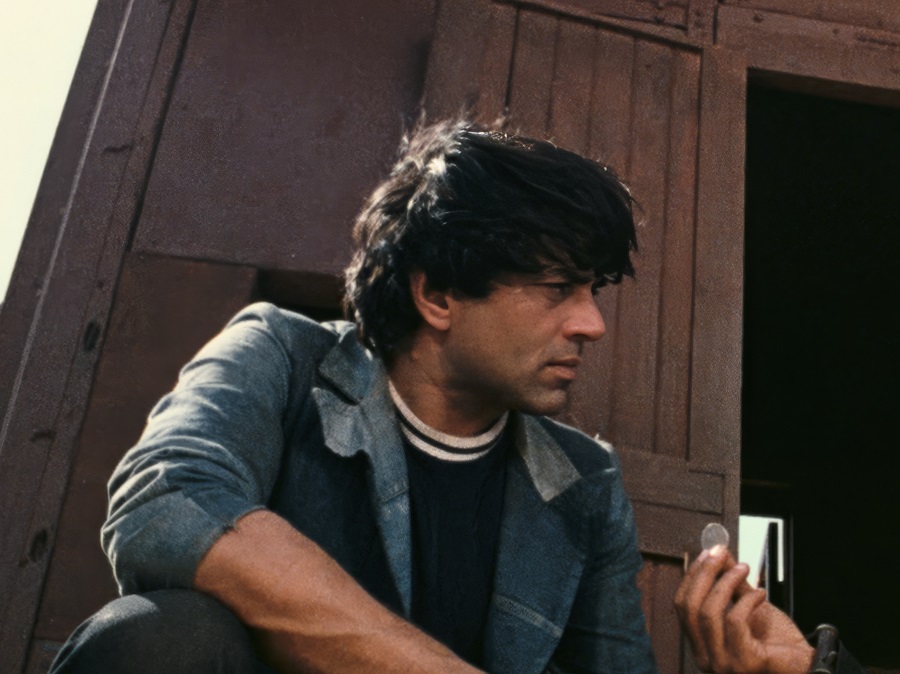
Dharmendra – Colossus leaves a huge chasm in Indian film industry – British media figures pay tribute
One of the stars of the immortal Bollywood classic, ‘Sholay’ (1975), few will match this acting icon’s wide adulation…and his friendly & humble demeanour leave a lasting legacy worldwide…
By Rodrigues C
MUCH of India remains in a nostalgic haze, when it considers the passing of one its most adored movie stars.
Dharmendra’s demise at the age of 89 on Monday (November 24) brought many tributes from far and wide – he was a household name even in some of the furthest flung places, a long ay from the bright lights of Bombay/Mumbai and Bollywood.
Loved, respected and much admired for his dashing looks, happy go lucky charm and simple ways is the tone of every tribute – whether from those who watched an artist at work from a distance – or those who knew him personally or professionally.
The Prime Minister of the country no less – Narendra Modi offered his condolences and recognised the moment as one of sadness, tempered by the huge joy the movie star brought to millions on the screen.
Many contemporary Bollywood icons took to social media to recall memories and inspiration – with Bollywood star director Karan Johar, who featured him in the hit, ’Rocky Aur Rani Kii Prem Kahani’ (2023), declaring that it was the end of an era with Dharmendra’s passing.
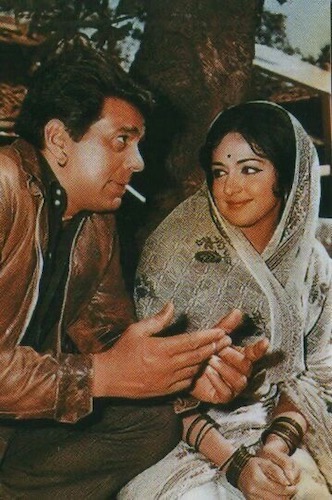
In Britain too, there were outpourings of grief, sadness and the sentiment – they don’t make them like that any more lingered, reverberating what India was feeling too.
He came to Britain several times, to do press for his films and shot parts of the film, ‘Professor Pyarelal’ in the UK, with the film releasing in 1981. It is a crime drama with Dharmendra playing the role of a fugitive who evades justice after killing a cop in India and fleeing to England.
Many UK Asian media figures have been recounting their experiences with the superstar.
Broadcaster Anouskha Arora met Dharmendra and his actor sons, Bobby and Sunny when they came to the UK.
On Instagram, she posted a picture of the three and recalled that she had been lucky enough to speak to all three at the same time.
She said Sunny and Bobby were quiet and mostly let their father do the talking.
“Truth was he had soooooo many interesting stories from his career and her personality was magical, such a charming man. A true legend and a big loss to Indian cinema, you will be missed!”
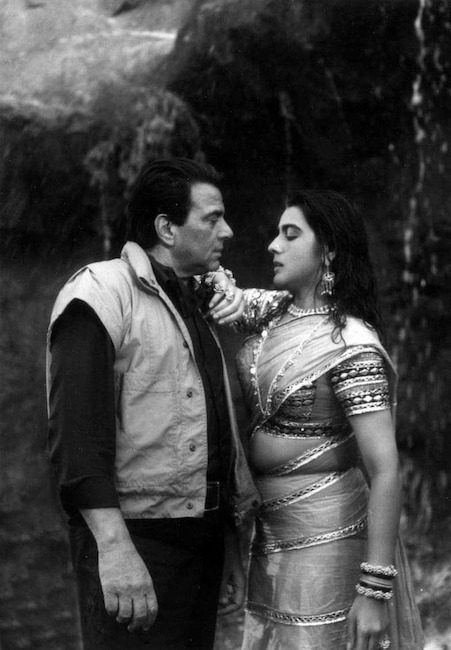
Journalist Asjad Nazir posted a picture of the young Dharmendra and called him: “one of the greatest movie icons in the world. He rose up from humble beginnings to redefine the leading man in Indian cinema and had a remarkable career that lasted more than 60 years. Thank you for being part of all our lives. We will miss you sir.”
DJ and presenter Harpz Kaur also posted a picture of the young star and reflected: “What do you say about a man that was all heart, so loving, so compassionate, and one of the biggest superstars and legends of Indian cinema.”
Many who met him in Britain have been posting their own personal tributes and it is clear that he appeared to make time for anyone interested in him – visiting unglamourous locations such as Gravesend in Kent, to meet friends.
Known as the ‘he man’ of Bollywood, Dharmendra or ‘Veeru’ as he is affectionately referred to in India, the star played pivotal roles in about 300 films for more than six decades.
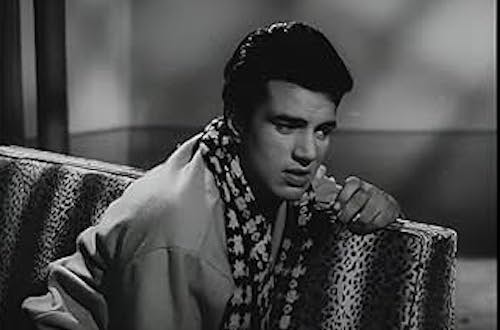
He is credited with some of India’s biggest hits such as ‘Phool Aur Patthar’ (1966), ‘Satyakam’ (1969), ‘Seeta Aur Geeta’ (1972), ‘Yaadon Ki Baaraat’ (1973), ‘Loafer’ (1973), ‘Blackmail’ (1973), ‘Jugnu’ (1973) ‘Sholay’ (1975) and ‘Chupke Chupke’ (1975).
He was born on December 8, 1935 as Dharam Singh Deol in the small village of Nasrali, which is near the city of Ludhiana, Punjab.
Born into a Sikh family to Satwant Kaur and Kewal Krishan Deol, who was a village school teacher, he completed his matriculation in 1952 in Phagwara at Ramgarhia College and later attended the Panjab University in Chandigarh.
Dharmendra got interested in films after watching Dilip Kumar in ‘Shaheed’ when he was 13.
He married Prakash Kaur in 1954 and had four children with her; sons Sunny Deol and Bobby Deol and daughters Vijeeta Deol and Ajeeta Deol.
In 1980, he tied the knot again with fellow megastar Hema Malini and had two daughters with her, Esha Deol and Ahana Deol.
Dharmendra’s cinematic journey began at 23, when he participated in the All India Talent Contest by Filmfare magazine, which he incidentally won, thereafter heading to the then Bombay.
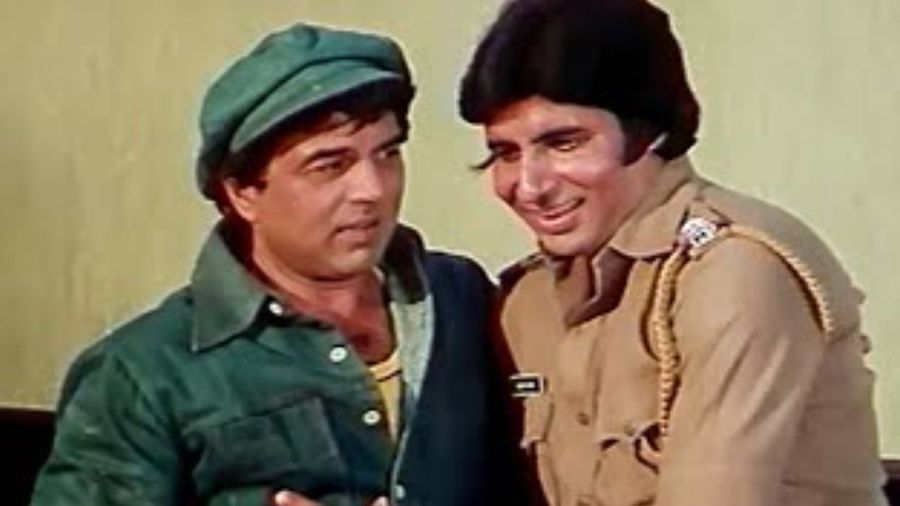
Like most Bollywood strugglers, who lurk outside film studios in Mumbai nowadays, Dharmendra’s tryst with Bombay wasn’t a smooth sail initially. He kept passing on his photos to the leading studios of the day and what followed was only rejection.
He got his first break in 1960 in the form of ‘Dil Bhi Tera Hum Bhi Tere’ for which he got paid ₹51 (£ 0.44). The three producers of the film contributed ₹17 each for Dharmendra’s first remuneration.
“I consider those ₹51 very lucky for me,” Dharmendra went on to tell a news channel years later.
Dharmendra’s debut film failed at the box office but he got noticed. Well known director Bimal Roy wanted to cast him in ‘Parakh’ (1960) but unfortunately he had already returned to his village.
However he stuck things through and got to do ‘Shola Aur Shabnam’ (1961), ‘Anpadh’ (1961) and then ‘Bandini’ (1963) performed well at the box office and gave him the much needed eyeballs. The latter won a National Award as the Best Feature Film as well.
Playing the antagonist in the war film ‘Haqeeqat’ (1964), and then appearing in ‘Ayee Milan Ki Bela’ (1964), ‘Phool Aur Patthar’ (1966), ‘Anupama’ (1966) and ‘Aaye Din Bahar Ke’ (1966) further cemented his career.
‘Ayee Milan Ki Bela’ earned him a Best Supporting Actor Filmfare nomination. His scene in ‘Phool Aur Patthar’ (1966) where he is holding star Meena Kumari bare chested earned him the moniker “He-Man” of Bollywood. Many said it was Dharmendra who started the era of the bare chested Indian hunk saving the heroine.
‘Satyakam’ (1969), directed by Hrishikesh Mukherjee, won the National Film Award for Best Feature Film while ‘Anupama’ (1966), also directed by Mukherjee bagged the Best Feature National Film Award trophy.
The 1970’s saw the introduction of Hema Malini to Bollywood; Dharmendra met her on the sets of ‘Tum Haseen Main Jawan’ (1970).
The emergence of another icon of Indian cinema – Rajesh Khanna had also affected the careers of many Bollywood stars. But not Dharmendra.
In 1970 he delivered three hits; ‘Tum Haseen Main Jawan’ ‘Sharafat’ and ‘Mera Naam Joker’ (with Raj Kapoor playing the lead) but there were also disappointments as well in the form of ‘Man Ki Aankhen’, ‘Kab? Kyoon? Aur Kahan?’ and ‘Ishq Par Zor Nahin’. His career stalled but he endured and went onto establish his status.
In ‘Mera Gaon Mera Desh’ (1971) audiences got a glimpse of Dharmendra’a action prowess. He then teamed up with Malini for the hit romantic comedy ‘Seeta Aur Geeta’ (1972), ‘Raja Jani’(1972), ‘Charas’ (1976) and ‘Dream Girl’ (1977).
This was followed by ‘Yaadon Ki Baaraat’ (1973). Then there were the hits ‘Dharam Veer’ (1977), which sold 32 million tickets in the erstwhile Soviet Union and the comedy ‘Chacha Bhatija’ (1977).
Dharmendra’s greatest hit was ‘Sholay’ (1975), which is arguably Bollywood’s biggest blockbuster, at least in terms of popularity.
Jai played by Amitabh Bachchan and Dharmendra, who is known as Veeru in the Ramesh Sippy directorial, are India’s most famous movie characters till date.
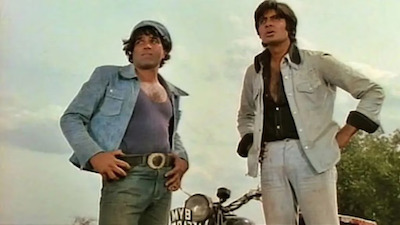
In fact, every character and actor from the movie is etched in people’s memories and are household names in India thanks to the fame of ‘Sholay’.
It is sometimes described in the West as a curry western but its simple story of friendship, dedication and valour were like clarion calls to a deeply conflicted country that had slipped into dicatatorship and Emergency, under then Prime Minister Indira Gandhi in 1975 and lasted two years and ended in ensuing elections which threw Mrs I Gandhi out of government.
‘Sholay’ ran for over five years in theatres, achieved 60 golden jubilees (50 weeks), 100 silver jubilees (25 weeks) and sold over 250 million tickets worldwide. It was the highest grossing film in 1975 and held the record until 1994 when Salman Khan’s ‘Hum Aapke Hai Kaun’ surpassed it. The movie sold 60 million tickets in the Soviet Union alone.
The 1980’s saw a lull in Dharmendra’s career but he still delivered memorable roles in ‘The Burning Train’ (1980), ‘Alibaba Aur 40 Chor’ (1980), ‘Insaaf Ka Tarazu’ (1980), ‘Ram Balram’ (1980), ‘Teesri Aankh’ (1982), ‘Razia Sultan’ (1983), ‘Sultanat’ (1986) and ‘Khatron Ke Khiladi’ (1988).
The 1990s wasn’t much different and saw films such as ‘Veeru Dada’ (1990), ‘Farishtay’ (1991), ‘Taaqat’ (1995), ‘Pyaar Kiya Toh Darna Kya’ (1998) and ‘Lohpurush’ (1999).
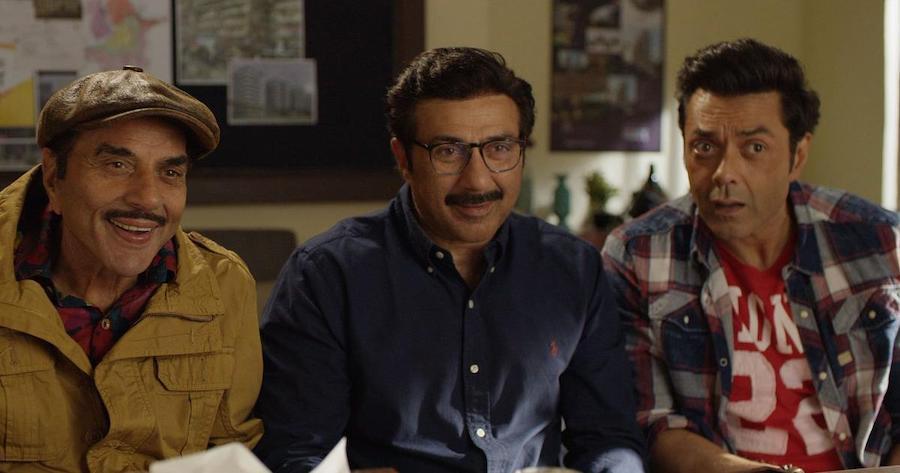
The 2000s saw Dharmendra shift to low budget movies. He also started doing many cameos. Prominent movies included ‘Life in a… Metro’ (2007), ‘Johnny Gaddaar’ (2007) and ‘Rocky Aur Rani Kii Prem Kahaani’ created ripples because of his on screen lip lock with Shabana Azmi; Dharmendra was 87 back then.
‘Apne’ (2007) and the ‘Yamla Pagla Deewana’ trilogy (2011, 2013, 2018) featured his sons Sunny Deol and Bobby Deol; the movies put limelight on the bond Dharmendra shared with his family.
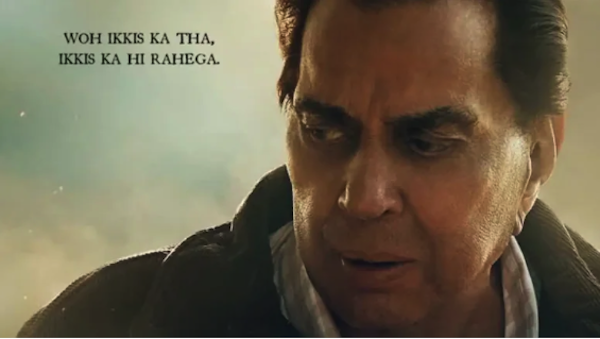
Dharmendra’s last film with director Sriram Raghavan’s period military drama ‘Ikkis’, will release on Christmas Day.
The restored 4K Director’s Cut of the film ‘Sholay’ will also release on December 12 in India. It had its world premiere at the Toronto International Film Festival in September and went onto screen at London Film Festival last month (See here).
In 1997, Dharmendra was honoured with the Filmfare Lifetime Achievement Award and it was presented by his childhood idol Dilip Kumar; back in 1952 Dharmendra had broken into his house just to catch a glimpse of the star.
In 2012, the Government of India conferred upon him the Padma Bhushan, the nation’s third-highest civilian award. He won Best Actor Filmfare Awards for ‘Phool Aur Patthar’ (1966), ‘Mera Gaon Mera Desh’ (1971), ‘Yaadon Ki Baaraat’ (1973) and ‘Resham Ki Dori’ (1974).
Dharmendra founded the production house Vijayta Films in 1983. He was a judge on the reality show ‘India’s Got Talent’ in 2011.
He even flirted with politics and won the Lok Sabha elections from Bikaner, Rajasthan on a ruling Bharatiya Janata Party (BJP) ticket in 2004. But gave up his political journey after his term ended; he was criticised for not attending parliament and continuing to act in films all the while.
Dharmendra was known to be a humble man; people working inside Bollywood vouch for this. He preferred the quiet countryside and often stayed at his farmhouse in Lonavala, a hill station three hours from Mumbai. He remained a simple figure at heart, despite his huge success, wealth and adulation.
Dharmendra left his indelible mark on Bollywood and India as a whole. He will be sorely missed and his legacy will endure.