
Nana Patekar – Indian indie cinema mourns star (obituary)
An uncompromising actor who left an indelible mark that will be come to be remembered…and whose later years attracted fierce controversy…
Ny Rodrigues C
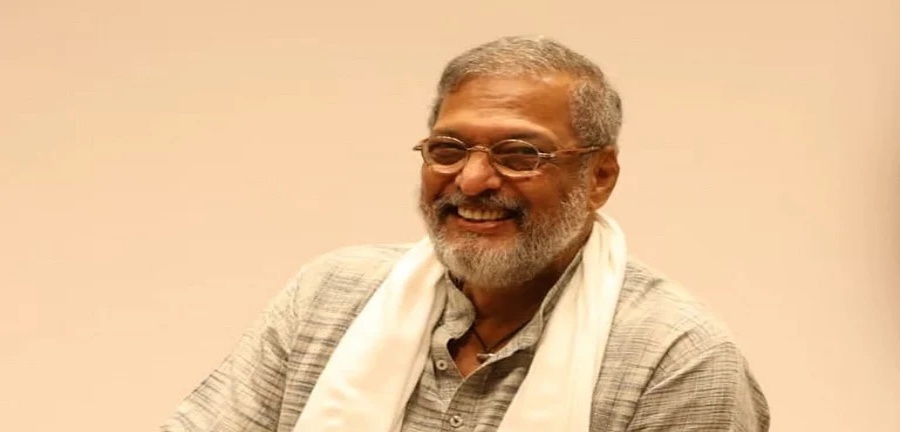
BEST KNOWN for his intense gaze, commanding voice and unpredictable screen presence, actor Nana Patekar will be fondly remembered by many.
On October 8, the country heard of his sudden passing.
The actor, a formidable force both in Bollywood and Marathi films, died in the coastal tourist hub of Goa, of a heart attack.
In a career spanning about five decades, the actor dabbled between art and commercial cinema, theatre, and was involved in social causes.
Patekar was born on January 1, 1951 to Sanjanabai and Dinkar Patekar, a textiles painter who ran a small business.
Named Vishwanath Patekar, he grew up far removed from the glamour that would later surround him.
Financial difficulties during his childhood exposed him to hardship at an early age. He would paint movie posters in the Chunabhatti locality of Mumbai, earning less than a pound a month.
He was only 13 back then. Later, he studied at Mumbai’s Sir JJ Institute of Applied Art and earned a diploma in commercial art. He started his acting journey in Marathi theatre, which was where he first met his future wife Neelakanti Patekar, an award-winning actress and Marathi writer. The duo tied the knot in 1978 and had been living separately for at least two decades. Patekar’s Bollywood debut came in the form of Muzaffar Ali’s ‘Gaman’ (1978).
It was actress Smita Patil who convinced Patekar to start working in Hindi cinema. Films such as ‘Giddh’ (1984) and ‘Aaj Ki Awaaz’ (1984) helped shape his early screen identity. But he was noticed only through his breakthrough performance in N Chandra’s ‘Ankush’ (1986), where he played the leading role for the first time. Chandra later cast Patekar in ‘Pratighaat’ (1987) and ‘Wajood’ (1988).
Patekar gained international recognition through Mira Nair’s ‘Salaam Bombay!’ (1988), a film that brought the lives of Mumbai’s street children to audiences around the world.
‘Parinda’ (1989) confirmed Patekar’s extraordinary dramatic abilities.
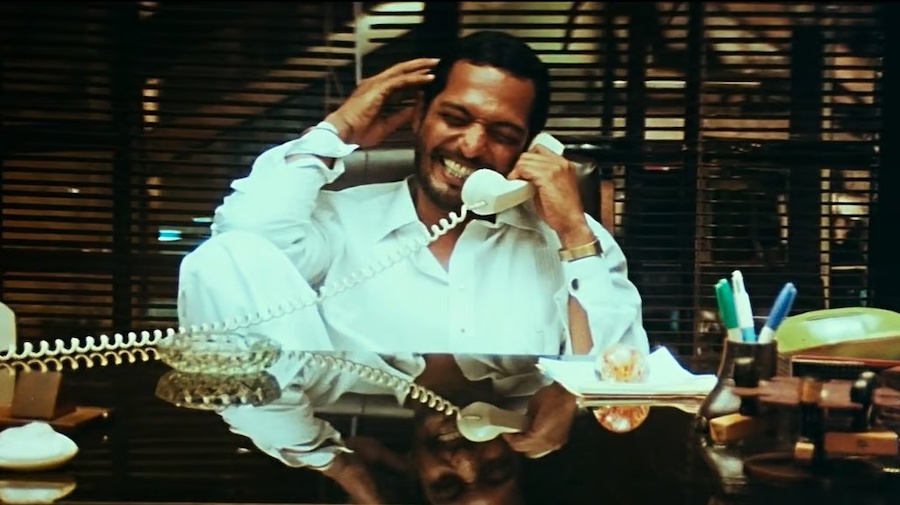
Portraying a volatile gangster Anna, the thriller brought fame and wider recognition not only to Patekar but the entire cast of the movie including Anil Kapoor, Jackie Shroff and Madhuri Dixit, who till date remain some of Bollywood’s most prominent faces.
For his role in ‘Prahaar: The Final Attack’ (1991), Patekar trained for nearly three years with the Maratha Light Infantry of the Indian army.
He also directed and co-wrote a thriller which co-starred Madhuri Dixit and Dimple Kapadia.
In ‘Krantiveer’ (1994), Patekar transformed anger into a powerful dramatic instrument. His performance as a disillusioned man driven towards confrontation with injustice earned him acclaim.
He continued to surprise audiences in films such as ‘Krantiveer’ (1995) ‘Agni Sakshi’ (1996), ‘Khamoshi: The Musical’ (1996), ‘Yeshwant’ (1997), ‘Bhoot’ (2003), ‘Ab Tak Chhappan’ (2004), ‘Apaharan’ (2005), ‘Welcome’ (2007) and ‘Welcome Back’ (2015).
His most prominent Marathi movies included ‘Sinhasan’ (1979), ‘Maaficha Sakshidar’ (1986), ‘Pak Pak Pakaak’ (2005), ‘Deool’ (2011), ‘Natsamrat’ (2016), ‘Aapla Maanus’ (2018) and ‘Ole Aale’ (2024).
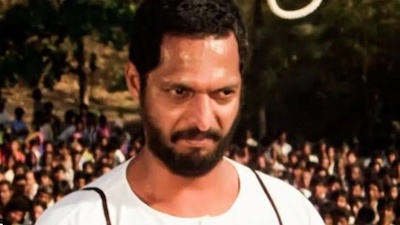
These works all revealed different dimensions of his talent, from psychological intensity and moral conflict to dark comedy.
He was adept at making audiences uncomfortable and laugh at the same time.
Recognition followed. He received three National Film Awards; Best Supporting Actor for ‘Parinda’ and ‘Agni Sakshi’, and Best Actor for ‘Krantiveer’.
He was conferred with the Padma Shri (India’s fourth highest civilian award) in 2013 for his recognition to Indian cinema.
In July 2014, Patekar attended the London Indian Film Festival (LIFF), where ‘Hemalkasa’, his portrayal of social activist Dr Prakash Amte, was presented as the closing-night film.
The appearance brought his interest in socially meaningful storytelling to British audiences and illustrated how his work could travel beyond the familiar boundaries of mainstream Bollywood.
Away from the screen, in 2015, Patekar co-founded the NAAM Foundation with actor Makarand Anaspure to support farmers and families in Maharashtra. He made monetary contributions to 62 families of the farmers who committed suicide in the Marathwada region of Maharashtra.
Post his death, Goa chief minister Pramod Sawant also spoke about Patekar’s charity work in the state. Patekar left behind a body of work that will continue to attract audiences, students of acting and filmmakers interested in the craft of performance. He challenged the idea that a star needed conventional glamour to command attention, proving instead that an unforgettable voice, a searching expression and a fearless commitment to a role could be enough. Remembering Patekar fully means recognising the performer who brought extraordinary force to the screen and the humanitarian who sought to address suffering beyond it.
Patekar is survived by his son Malhar who works in the film industry and continues his late father’s charitable works. Patekar also had another son, Durvasa who sadly died at the tender age of two.
The Controversy In 2018, during India’s #MeToo movement, actor Tanushree Dutta accused Patekar of sexually harassing her during the filming of ‘Horn Ok Pleassss’ (2008). She alleged that he behaved inappropriately while teaching her dance steps. Patekar always denied the allegations outright. Subsequently, the Mumbai Police filed a closure report in 2019, citing insufficient evidence to substantiate Dutta’s complaint. In March 2025, a magistrate disposed of the case on limitation grounds, without adjudicating the merits of the allegations.